
This is an example of a blog post for the company Four Sigmatic, completed as a writing exercise.
I like to think of food as medicine.
Teas of any kind are extremely fascinating to me, with herbal remedies being used to treat endless conditions, ailments, and illnesses throughout history. Matcha has become one of the most popular teas available, due to its conveniently powdered form, radiant color, and delicious flavor when made into a latte.
Who’s to say that medicine can’t taste good?
What Is Matcha?
The origins of matcha can be traced all the way back to the Tang Dynasty in China, roughly 1400 years ago (give or take). It was later brought to Japan in the 1100s by Buddhist monks. It was in Japan that matcha became what it is recognized as today, through continuous, rigorous effort to optimize matcha for tea ceremonies. Tea ceremonies in Japan were a way of finding beauty and perfection in a flawed world.
Tea can only be considered matcha if it is grown and processed according to strict and specific rules and regulations. This includes the grinding of the tea on real stone mills. The dedicated processing of matcha is why it is such a luxurious and unique product.
Matcha For Health
Matcha has a truly expansive arsenal of benefits. When in need of energy, matcha contains a light boost of caffeine. It can improve brain function and heart health, and has even been shown to have qualities that can prevent cancer.
It is loaded with antioxidants, non-addictive, and can even reduce plaque build-up on teeth and improve gum health. It is an alternative worth considering for people who are looking to quit drinking coffee. For those who drink coffee, it is still worth adding to a routine for its plethora of benefits.
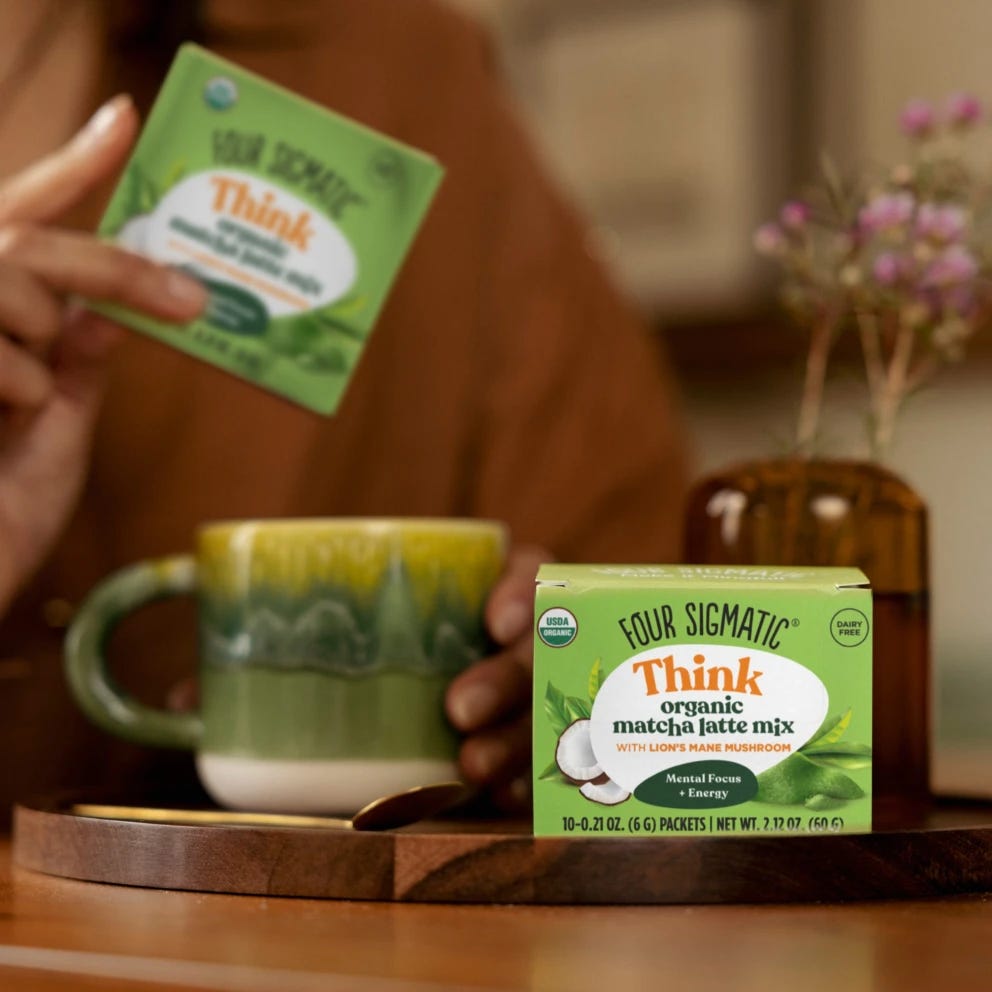
Four Sigmatic’s matcha latte combines matcha with adaptogens, medicinal mushrooms, dairy-free creamer, and coconut sugar to create a delicious and healthy product.
 judithjpeters.com
Leave a comment