
Working as a barista made me curious about how it works. The results stunned me.

Decaf.
A standard fixture of coffee shops, accommodating everyone from those who cannot drink caffeine for medical reasons to those craving a cup of coffee in the late afternoon.
I had some skepticism about it.
After digging in, I can honestly say I couldn’t have guessed the answer.
What are the most common tools to decaffeinate coffee?
Methylene chloride or ethyl acetate. Here’s the gist of it:
Methylene chloride is a chemical most commonly used in paint strippers. It causes nausea, vomiting, dizziness, and cancer. It’s definitely not “safe,” and most major coffee chains use it to make their coffee decaf.
Ethyl Acetate is another common one. This one is often found in glue and nail polish remover. Similar health issues are related to exposure. It’s pretty similar to methylene chloride.
How do these chemicals decaffeinate coffee?
After being harvested, the coffee beans are soaked in these chemicals for about ten hours. Then, the beans are steamed to “remove the chemicals” and roasted.
I never want to drink decaf from a major coffee chain again.
But it’s not all bad! The good stuff exists, too. (Just not on every street corner.)
To drink good decaf, look out for “Swiss Water Decaf.”
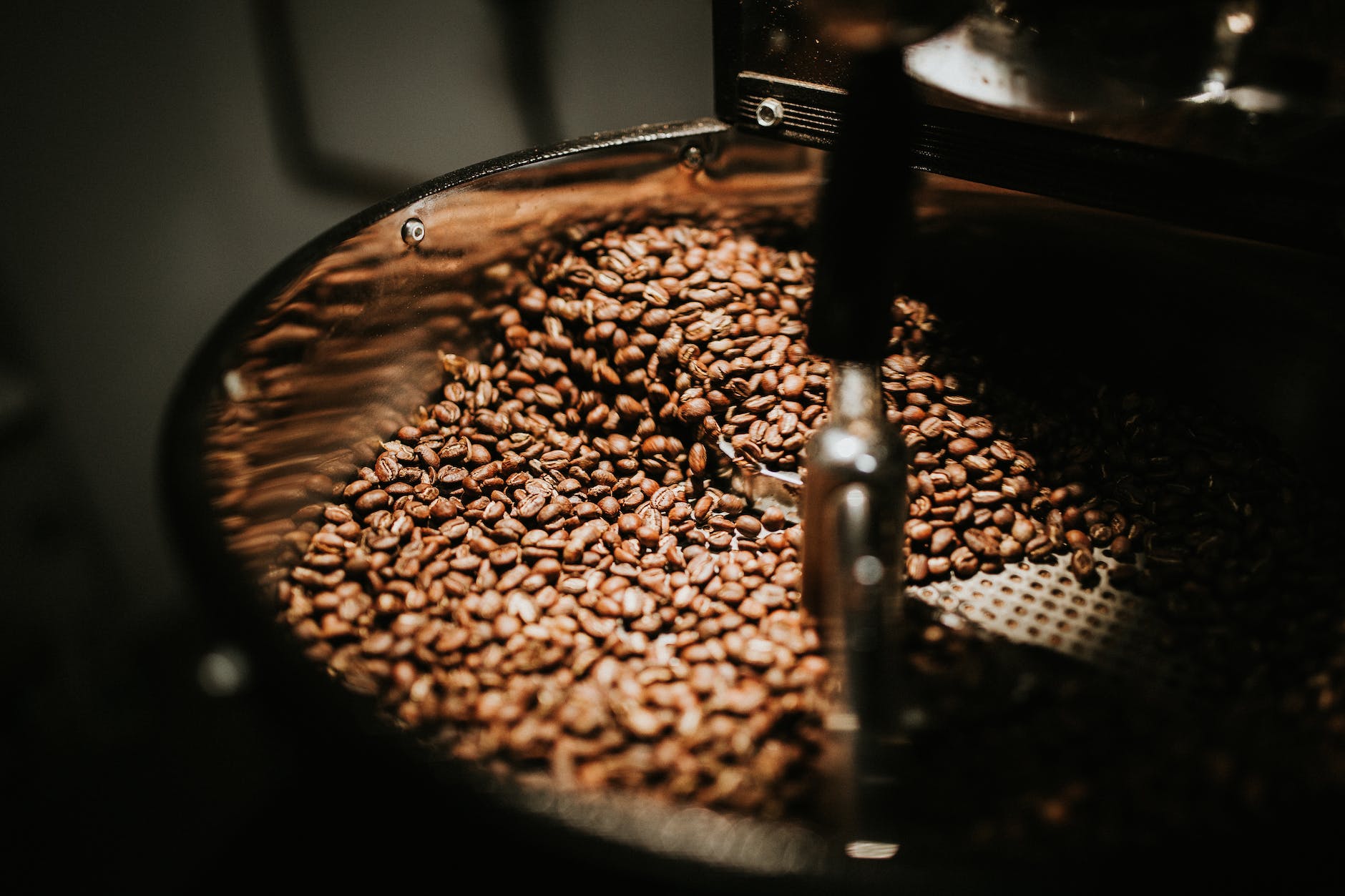
This is decaf coffee made without chemicals. Just with water and the perfect temperature to remove the caffeine. Here in Coeur d’Alene, good decaffeinated coffee can be found at one of my favorite local businesses, Evans Brothers Coffee.
Honestly, I am glad that I did this research.
I know exactly what to look for when making an educated choice in good quality decaffeinated coffee.
 judithjpeters.com
Leave a comment